Signs Wildlife Has Moved Into Your Attic, Walls, or Crawl Space
If signs wildlife has moved into your attic, walls, or crawl space, local contractors can identify the problem and safely remove the animals for you.
Discovering signs that wildlife has moved into your attic, walls, or crawl space can be both startling and concerning for property owners. Recognizing these early indicators-such as unusual noises, droppings, or damage to insulation-can help prevent potential property damage and health issues. Homeowners in the area often find it practical to explore this topic because wildlife intrusion can compromise the safety and integrity of their homes, especially during certain seasons when animals seek shelter. By staying informed, property owners can better understand when it’s time to seek assistance from local contractors who specialize in wildlife removal and exclusion.
Connecting with experienced local service providers ensures that wildlife intrusions are handled effectively and humanely. These professionals can assess the situation, identify the specific signs wildlife has moved into your space, and recommend appropriate solutions to remove animals and prevent future entry. Keeping your property secure and free of unwanted guests is a priority for many homeowners, making it worthwhile to explore how local experts can help address these issues promptly and responsibly. Keep reading to learn more about the common signs of wildlife activity and how trusted local contractors can support your efforts to reclaim your space.
- Attic wildlife intrusion - homeowners noticing scratching sounds or droppings in the attic may need wildlife removal services, with local contractors investigating and safely removing the animals.
- Wall cavity signs - if there are odd noises, odors, or visible damage in walls, local service providers can identify the presence of wildlife and perform humane removal.
- Crawl space activity - signs like nesting materials or animal tracks in crawl spaces often indicate wildlife entry, prompting local pros to assess and resolve the issue.
- Unusual odors or stains - persistent smells or staining on walls and ceilings can suggest wildlife nesting or droppings, with local contractors offering removal and cleanup solutions.
- Entry point detection - visible holes or damage around eaves, vents, or soffits signal potential entry points, with local wildlife removal experts sealing access and preventing future intrusions.
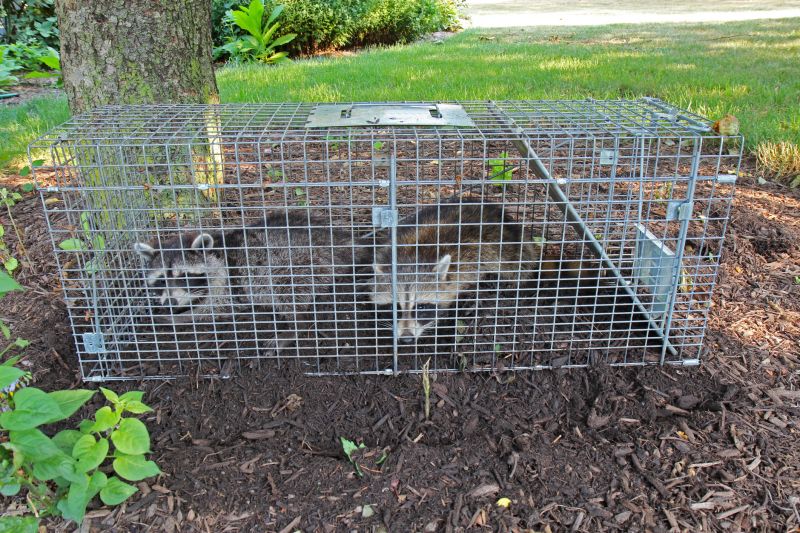
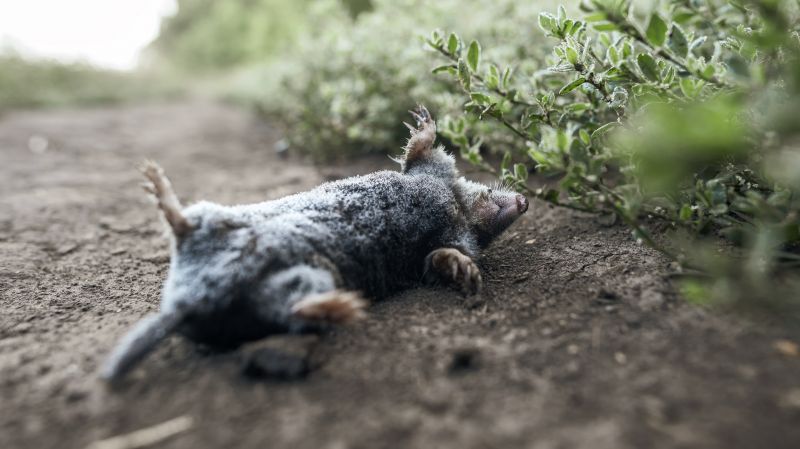
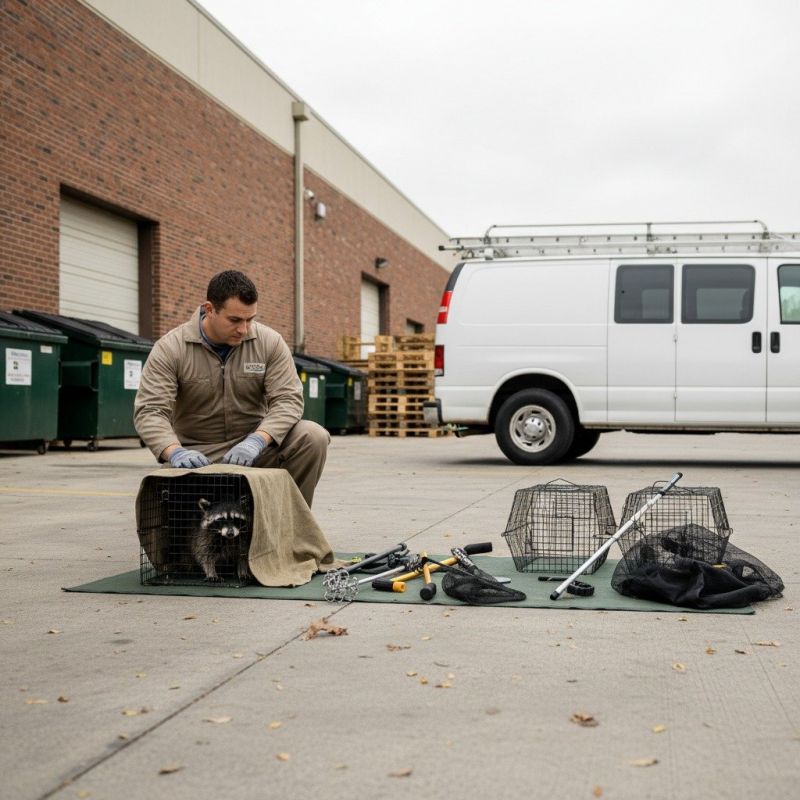
When homeowners search for signs wildlife has moved into their attic, walls, or crawl space, they are usually noticing unusual noises, odors, or visual clues that suggest animals have taken up residence inside their property. Common indicators include scratching, scurrying sounds, or loud thumps coming from above ceilings or behind walls. Odors such as musty smells or a sudden increase in animal waste may also point to an animal presence. Recognizing these signs early is important because wildlife can cause damage to insulation, wiring, or structural components, leading to costly repairs if left unaddressed. Local wildlife removal service providers specialize in identifying these signs and safely removing animals to prevent further issues.
These signs are often related to problems that homeowners may want to resolve quickly, such as animal infestations that threaten the safety and integrity of their property. Wildlife, like raccoons, squirrels, bats, or birds, often seek out dark, secluded spaces for nesting or shelter, which makes attics, walls, and crawl spaces attractive options. When animals move in, they can create nests that block ventilation, damage insulation, or chew through electrical wiring, increasing the risk of fire hazards. Many property owners plan to eliminate these pests and prevent future invasions, which is where experienced local service providers come into play. They offer the expertise needed to assess the situation, remove the animals, and implement exclusion measures to keep wildlife out permanently.
The types of properties most likely to experience wildlife invasions include single-family homes, historic houses, barns, and other rural or semi-rural buildings. Homes with accessible attics or poorly sealed entry points are especially vulnerable. Older properties with existing structural gaps or damage are more prone to wildlife moving inside. Additionally, properties located near wooded areas, water sources, or fields tend to attract animals seeking food and shelter. Recognizing the specific signs for each type of property can help homeowners understand the scope of the problem and determine when professional assistance is needed. Local contractors specializing in wildlife removal are equipped to handle a variety of property types and ensure the animals are safely and humanely removed.
Understanding what signs wildlife has moved into your attic, walls, or crawl space connects directly to practical projects aimed at property protection and animal control. Early detection can prevent extensive damage and reduce health risks associated with animal waste or nesting materials. Homeowners often seek help from local service providers to confirm the presence of wildlife, identify entry points, and carry out effective removal and exclusion strategies. These professionals bring the experience necessary to handle different species and property configurations, ensuring that the problem is resolved thoroughly. Connecting with local wildlife removal experts provides a straightforward way to address these issues promptly and restore the safety and comfort of the home environment.
Attic insulation services - local contractors may be needed to inspect and replace insulation that has been damaged or contaminated by wildlife activity in your attic or crawl space.
Pest proofing and sealing - professionals can help identify entry points and secure your home to prevent future wildlife intrusions into walls, attics, or crawl spaces.
Structural repair services - repairing damage caused by wildlife gnawing or nesting involves similar skills and planning as wildlife removal in concealed spaces.
Ventilation system services - wildlife in attic or wall spaces can affect ventilation, requiring specialists to clean, repair, or upgrade ductwork and vents.
Decontamination and sanitation - local service providers can safely remove droppings, nesting materials, and sanitize affected areas after wildlife has moved in.
Exclusion and barrier installation - installing barriers to block wildlife access shares techniques with other home sealing projects to protect your space from future invasions.
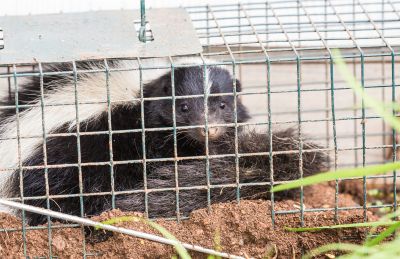
When evaluating wildlife removal services, it’s important to consider the experience of local contractors with similar projects. Homeowners should inquire about how long a service provider has been handling wildlife intrusion issues, particularly those involving attics, walls, or crawl spaces. An experienced professional will have a better understanding of the signs wildlife leaves behind and the most effective methods for humane removal and exclusion. This familiarity can help ensure the job is completed efficiently and thoroughly, reducing the likelihood of recurring problems.
Clear written expectations are essential when selecting a wildlife removal service. Homeowners should seek providers who can articulate what the process will involve, including inspection procedures, removal techniques, and any necessary repairs or modifications to prevent future entry. Having a detailed outline helps set realistic expectations about the scope of work and the responsibilities of the service provider. It also provides a point of reference for evaluating whether the proposed approach aligns with the homeowner’s concerns and priorities.
Reputable references and good communication are key indicators of a trustworthy wildlife removal service. Homeowners are encouraged to ask for references from previous clients who had similar wildlife issues. This can provide insight into the quality of work and customer satisfaction. Additionally, a service provider’s responsiveness and clarity during initial discussions can reflect their professionalism and ability to keep homeowners informed throughout the process. Prioritizing these qualities can help ensure the chosen contractor will handle the situation with transparency and respect for the homeowner’s property.
Property owners often search for signs wildlife has moved into your attic, walls, or crawl space when they are planning practical projects around their homes and businesses. Local pros provide Wildlife Removal services for everyday jobs and straightforward project options.
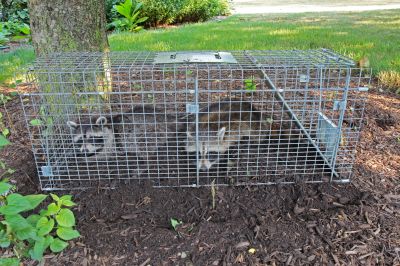
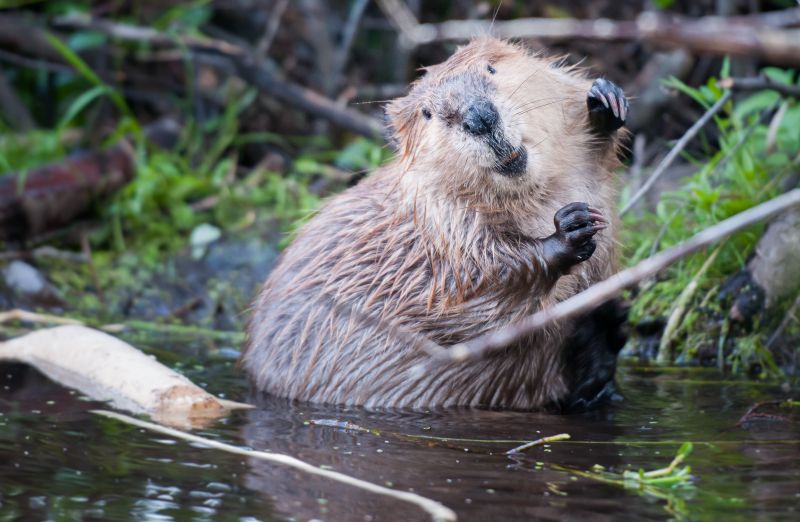
Recognizing signs wildlife has moved into your attic, walls, or crawl space is an important step in maintaining a safe and comfortable home environment. Common indicators include unusual noises such as scratching, scurrying, or squeaking sounds that often occur during evening hours or at night. You might also notice droppings, nesting materials, or damage to insulation and wiring, which can signal the presence of animals like raccoons, squirrels, or bats. Property owners who observe these signs are encouraged to consider wildlife removal services from local contractors who specialize in safely and humanely addressing these issues.
In addition to sounds and visual clues, odors can also point to wildlife inhabiting hidden spaces. A strong, musty smell may indicate nesting or droppings nearby, especially in less accessible areas like attics or crawl spaces. Other signs include chewed or gnawed materials, such as wood or electrical wiring, and the discovery of animal tracks or footprints around the home’s foundation. When these signs are detected, seeking assistance from experienced service providers can help ensure that wildlife is removed effectively and that any entry points are properly sealed to prevent future intrusions.
What are common signs wildlife has moved into your attic, walls, or crawl space? You might notice scratching or scurrying sounds, droppings, or damaged insulation indicating wildlife presence in these areas.
How can I tell if animals are nesting inside my home? Visible nests, chewed wires, or holes in walls and ceilings can suggest animals have established nesting sites within your attic or walls.
What smells might indicate wildlife infestation? Unusual, foul odors near walls or in the attic can be a sign that animals have died or left droppings in hidden spaces.
Are there visual clues that wildlife has entered my home? Sightings of animals or their tracks around entry points, along with signs of damage, can reveal their presence inside walls or attic spaces.
How do local service providers handle wildlife that has moved into homes? Wildlife removal professionals assess the situation, safely remove animals, and help secure entry points to prevent future intrusions.
Identify entry points - inspecting your property for small openings or gaps can help determine where wildlife may be entering attic, walls, or crawl space areas, enabling targeted removal efforts by local contractors.
Monitor for signs of activity - noticing unusual noises, droppings, or nesting materials in hidden spaces can indicate wildlife presence, guiding professional removal services to affected areas.
Check for damage or wear - looking for chewed wiring, insulation damage, or structural issues can reveal wildlife intrusion, prompting a consultation with local wildlife removal specialists.
Assess for odors or smells - persistent musty or animal-like odors in certain areas can signal wildlife inside walls or attics, encouraging property owners to seek expert assistance for removal and cleanup.
If you are thinking about signs wildlife has moved into your attic, walls, or crawl space for a property, this guide is meant to help you understand this topic, the typical project types, and how different options might fit your plans.
When you are ready, you can use the quote form on this page to share a few details about your project. From there, local pros can review the basics and follow up with options that match what you have in mind.